Best South African Safari Companies Your Ultimate Guide
The best South African safari companies offer unforgettable experiences. From the iconic Kruger National Park to hidden gems, South Africa’s diverse landscapes teem with wildlife. This guide explores the best safari companies, considering factors like budget, group size, and activities. We’ll delve into the various safari types, from thrilling game drives to immersive bush walks, and examine the key criteria for selecting the perfect safari adventure.
This exploration will cover the top safari companies, highlighting their reputations, sustainable practices, and unique offerings. We’ll also consider crucial factors like booking processes, visa requirements, and ethical considerations. By the end, you’ll be equipped with the knowledge to plan a remarkable South African safari that perfectly suits your preferences.
Introduction to South African Safaris
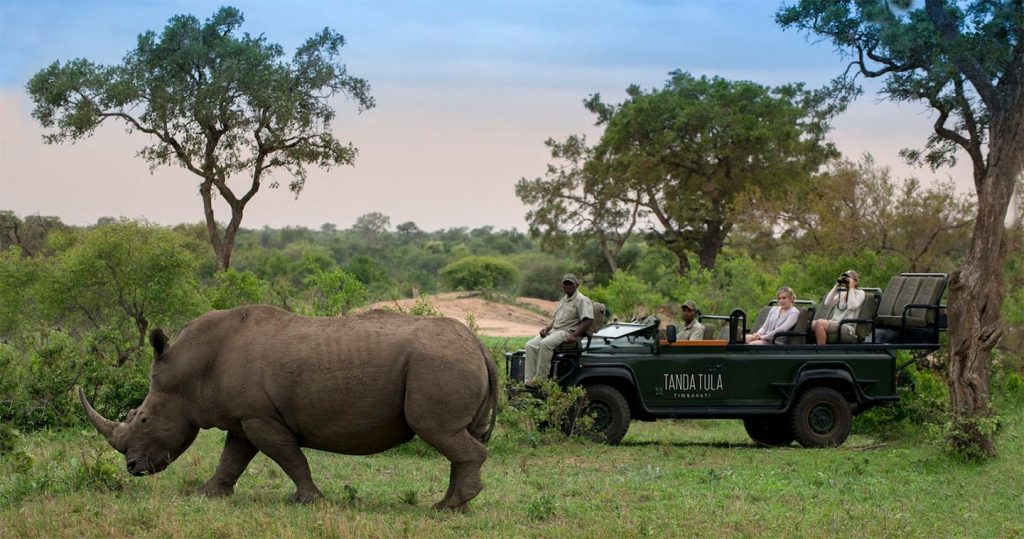
South Africa’s diverse landscapes, from the arid Kalahari to the lush Kruger National Park, offer an unparalleled safari experience. The country boasts an exceptional concentration of wildlife, including the “Big Five” (lion, leopard, rhino, elephant, and buffalo), along with a rich tapestry of smaller species. This unique biodiversity makes South African safaris a globally renowned destination.
South African safari tourism has a rich history, evolving from early hunting expeditions to the ethical and responsible tourism model it is today. This evolution has been driven by a commitment to conservation and a desire to share the country’s remarkable wildlife with the world.
Safari Ecosystem Diversity
South Africa’s varied ecosystems play a crucial role in the safari experience. The diverse habitats, from savannas to woodlands, support a wide array of animal species. The presence of these diverse habitats enables a variety of safari experiences, each with its unique appeal. The Kruger National Park, for example, features vast open plains, ideal for game drives, while the smaller reserves offer opportunities for more intimate encounters with nature.
History of Safari Tourism
Early safari tourism in South Africa was primarily focused on hunting. However, over time, ethical considerations and a growing appreciation for conservation led to the development of responsible tourism practices. Today, South African safari companies prioritize the well-being of both wildlife and visitors, promoting sustainable tourism practices. This evolution highlights the commitment to long-term conservation and the balance between wildlife appreciation and responsible tourism.
Types of Safari Experiences
South Africa offers a range of safari experiences, catering to various interests and preferences. Visitors can choose from traditional game drives, immersive walking safaris, or unique experiences like hot air balloon safaris. Each option provides a distinct perspective on the African wilderness.
Comparison of Safari Types
| Safari Type | Pros | Cons |
|---|---|---|
| Game Drives | Offers a broad perspective of the landscape and wildlife. Comfortable and convenient for most travellers. Excellent for spotting a variety of animals. | It can be noisy and disruptive to wildlife. Limited close-up interaction compared to other safari types. |
| Walking Safaris | Provides a closer, more intimate experience with wildlife. Allows for a more mindful and sensory immersion in nature. | Requires a higher level of physical fitness. It may not be suitable for all travellers. Wildlife sightings can be less frequent. |
| Hot Air Balloon Safaris | Offers a unique perspective of the African landscape at sunrise. Provides an elevated and scenic view of wildlife and natural beauty. | Limited time on the ground. It can be expensive compared to other safari types. It may not be suitable for individuals with mobility issues. |
Factors Influencing Safari Choice
Source: storyblok.com
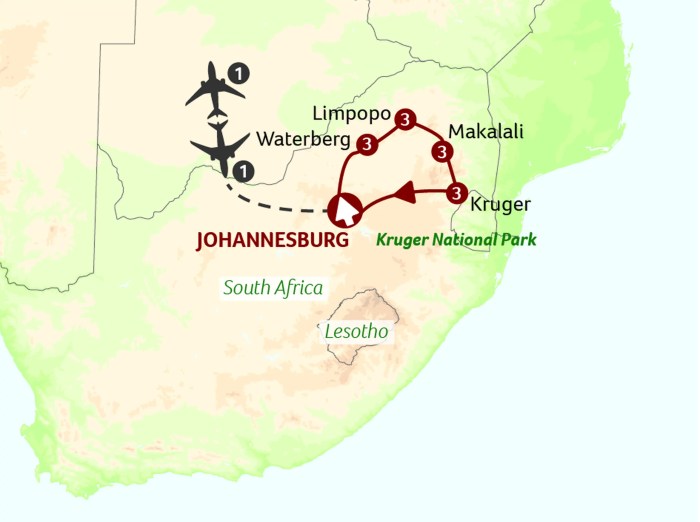
Choosing the perfect South African safari experience involves careful consideration of various factors. Travelers often weigh the costs, desired group size, the specific wildlife encounters they seek, and the range of activities offered. Understanding these elements is crucial for selecting a safari that aligns with individual preferences and expectations.
Safari choices are profoundly influenced by personal priorities and budgets. Considerations like accommodation standards, the type of activities available, and the likelihood of witnessing specific wildlife are pivotal in the decision-making process. This detailed exploration will clarify the key aspects that impact the safari selection.
Budget Considerations
Budget plays a significant role in shaping the safari experience. Different budgets unlock varying levels of comfort, activities, and wildlife viewing opportunities. It’s important to establish a realistic budget range before starting the search.
| Budget | Accommodation | Activities | Wildlife Encounters |
|---|---|---|---|
| Budget-Friendly (Under R5,000 per person) | Basic lodges or campsites with shared facilities. | Game drives, potentially limited guided walks, and perhaps fewer optional activities. | Opportunities to view common wildlife, but potentially less chance of seeing rare or elusive species. Expect larger groups on game drives. |
| Mid-Range (R5,000 – R15,000 per person) | Comfortable lodges or guesthouses with private facilities. | Game drives, guided walks, and a broader selection of optional activities like bush dinners or cultural experiences. | Increased chances of seeing a variety of wildlife, potentially including some rarer species. Game drives might be more personalized and focused. |
| Luxury (Above R15,000 per person) | Luxury lodges or camps with exceptional amenities and private spaces. | Extensive game drives, customized activities, and access to exclusive experiences like hot air balloon safaris or guided fly-fishing. | High probability of encountering a wide range of wildlife, including rare or elusive species. Game drives are typically personalized, private, and offer focused attention. |
Group Size and Preferences
Group size is a crucial factor, impacting the experience. Smaller groups allow for more personalized attention from guides and often lead to more intimate interactions with the natural environment. Travelers seeking a more secluded and personalized experience may prioritize smaller group safaris. Conversely, larger groups might offer greater cost-effectiveness, but the experience might be less personalized.
Wildlife Viewing Opportunities
Wildlife viewing is paramount for many safari enthusiasts. Companies often advertise specific areas known for particular wildlife. Researching the park’s wildlife density and the types of animals expected to be seen in a particular region is crucial. Consider whether specific animals or habitats are a priority.
Activities and Experiences
The range of activities available significantly influences the safari experience. Travelers might prioritize activities like guided bush walks, nature photography workshops, or cultural interactions. Consider the interests of the group and choose a safari that offers activities that align with those interests.
Safari Experiences and Activities: Best South African Safari Companies
Beyond the iconic game drives, South African safaris offer a diverse range of experiences that delve deeper into the African wilderness. These activities, each with unique characteristics, cater to varying interests and provide opportunities to connect with the natural world in profound ways. From thrilling night drives to immersive bush walks, the possibilities are vast.
Night Drives
Night drives provide a completely different perspective on the African landscape. Animals that are less active during the day become more prominent, showcasing the nocturnal wildlife. These drives often reveal the intricate interactions of animals in the dark, such as predator-prey relationships.
- Equipment: 4×4 vehicles with powerful headlights, high-quality binoculars, and a knowledgeable guide are essential. Guides are trained to navigate safely in low-light conditions and to identify various animals and their behaviours.
- Expertise: Night-drive guides require exceptional knowledge of animal behaviour, especially during darkness. They need to understand animal vocalizations and be skilled in spotting animals from the shadows. They also possess the crucial ability to drive safely and efficiently in the dark, while maintaining awareness of their surroundings.
- Comparison: Night drives offer a unique contrast to daytime game drives, showcasing a different side of the African wilderness. The thrill of discovering nocturnal creatures in their natural habitat is incomparable to daytime views.
Bush Walks
Bush walks provide a more intimate connection with the environment. These walks, led by experienced guides, allow for closer observation of wildlife and the intricate details of the ecosystem.
- Equipment: Appropriate footwear, such as sturdy hiking boots, is crucial for navigating diverse terrain. A comfortable backpack for carrying water and essential supplies is also necessary. Guides carry binoculars, field guides, and other essential tools.
- Expertise: Bush walk guides require exceptional knowledge of the local flora and fauna. They need to be able to identify various plants, insects, and animal tracks, and be able to interpret the environment. Furthermore, their skills extend to safely navigating the terrain and ensuring the well-being of the participants.
- Comparison: Bush walks are markedly different from game drives, focusing on close-up observation of the environment. The experience offers a deep understanding of the delicate balance within the ecosystem.
Birdwatching
South Africa boasts a rich avian diversity, and birdwatching safaris offer a unique opportunity to appreciate this aspect of the ecosystem. Dedicated birdwatching safaris are designed to help enthusiasts identify and observe a wide array of species.
- Equipment: High-powered binoculars, field guides, and a keen eye for detail are essential. Comfortable clothing suitable for varying weather conditions is important, and guides often carry specialized equipment for identifying bird species.
- Expertise: Birdwatching guides need an encyclopedic knowledge of South African bird species. They should possess the ability to identify birds by sight, sound, and behaviour. They should also be able to lead tours effectively, ensuring that participants are able to observe and appreciate the diversity of the avian species.
- Comparison: Birdwatching safaris differ from game drives and bush walks, focusing solely on the avian world. This activity is perfect for bird enthusiasts and those who appreciate the beauty and diversity of bird species.
Discovering the hidden world of nocturnal animals, or the intricate details of the ecosystem through a bush walk, provides an experience far richer than a typical game drive. These unique activities provide a unique and memorable perspective on the South African wilderness.
Sustainability and Ethical Considerations
Responsible tourism is crucial for the long-term health of South African wildlife and the communities that depend on it. Ethical and sustainable practices ensure that safari experiences are not only enjoyable but also contribute positively to the environment and local economies. Safari companies play a vital role in this process, impacting conservation efforts, community well-being, and the future of the natural landscape.
The impact of tourism on local communities and wildlife is multifaceted. Properly managed tourism can provide economic opportunities for local communities, fostering their involvement in conservation initiatives. Conversely, unsustainable practices can lead to negative consequences, potentially harming ecosystems and impacting the well-being of both wildlife and local people. Therefore, the alignment of safari operations with responsible tourism practices is paramount.
Role of Safari Companies in Conservation
Safari companies often play a critical role in supporting conservation efforts. They can contribute to the protection of wildlife habitats, actively participate in anti-poaching initiatives, and fund research projects that benefit the understanding and preservation of biodiversity. Conservation efforts can include funding for park rangers, anti-poaching patrols, and habitat restoration projects.
Impact of Tourism on Local Communities
Tourism has a profound impact on local communities, often shaping their livelihoods and economic prospects. Responsible safari companies understand the importance of creating win-win situations. They strive to ensure that local communities benefit directly from tourism, for example, through job creation, investment in infrastructure, and the establishment of fair trade practices. This can be achieved through employing local guides, procuring supplies from local businesses, and providing opportunities for community members to participate in the tourism industry.
Examples of Responsible Safari Companies
Numerous safari companies demonstrate a commitment to responsible tourism. For instance, some companies actively support local communities by investing in education, healthcare, and infrastructure projects. They might partner with local organizations to implement sustainable development initiatives. A crucial aspect is their commitment to environmental protection, evidenced by the integration of eco-friendly practices into their operations. This includes responsible waste management, water conservation, and minimizing the impact on sensitive ecosystems. Companies also often employ local guides and staff, providing training and development opportunities.
Sustainable Practices in Safari Operations
Many responsible safari companies actively implement sustainable practices within their operations. These can include reducing their carbon footprint by using energy-efficient vehicles and supporting renewable energy initiatives. They also focus on minimizing their impact on the environment through water conservation strategies and responsible waste management. These practices demonstrate a dedication to responsible tourism, highlighting the potential for safari companies to play a critical role in conservation and community development.
Booking and Planning a Safari
Planning a South African safari involves careful consideration and meticulous preparation. Understanding the process, from initial research to final payment, ensures a smooth and enjoyable experience. Thorough preparation and booking procedures are vital for a memorable safari.
Essential Documents and Information, Best South African Safari Companies
Collecting the necessary documentation and information is crucial before embarking on a safari. This includes ensuring all required travel documents are in order, such as passports, visas, and any necessary vaccinations. Pre-trip research on local customs and etiquette is also essential for a respectful and positive interaction.
- Passports: Ensure your passport is valid for at least six months beyond your intended travel dates. This is a standard requirement for most international travel and crucial for smooth border crossings.
- Visas: International travelers require a visa for South Africa, depending on their nationality. Research visa requirements for your nationality well in advance of your trip. Contact the South African embassy or consulate for specific visa guidelines.
- Travel Insurance: Obtain comprehensive travel insurance that covers medical emergencies, trip cancellations, and lost belongings. This protection is vital for unforeseen circumstances during your safari.
- Vaccinations: Consult your doctor about recommended vaccinations and necessary health precautions for South Africa. This may include malaria prophylaxis or other necessary medications.
- Health Information: Provide your safari operator with any relevant health information, including pre-existing conditions and allergies. This is crucial for ensuring appropriate care in case of emergencies.
Visa Requirements and Entry Procedures
Understanding visa requirements is essential for international travelers. Specific visa requirements vary based on nationality, so thorough research is vital. Contact the South African embassy or consulate for detailed information and application procedures.
- Visa Application Process: The application process for a South African visa often requires submitting specific documents and completing online forms. Refer to the official South African embassy website for comprehensive information on visa requirements.
- Entry Procedures: Upon arrival at South African airports, international travelers will undergo immigration checks. Have your passport and visa readily available for inspection.
Payment Options and Methods
Safari operators often provide various payment options. This can include secure online payments, wire transfers, and other established payment methods. Pre-authorization or partial payment may be required during the booking process.
- Payment Options: Many safari companies offer secure online payment gateways, credit card payments, or bank transfers. Negotiate payment options with the safari operator to find a convenient method.
- Deposit Requirements: Some safari operators may require a deposit for booking confirmation. This is standard practice to secure your booking.
- Payment Schedules: Check the payment schedule and deadlines specified by the safari operator. This is essential for timely payment and booking confirmation.
Step-by-Step Guide to Booking a Safari
A systematic approach to booking a safari ensures a smooth experience. This involves detailed research, contacting safari companies, reviewing options, and finalizing arrangements.
- Research Safari Companies: Begin by researching different safari companies offering the type of experience you desire. Read reviews and compare services.
- Contact Safari Companies: Contact the chosen safari companies to discuss your travel dates, desired activities, and budget. Inquire about packages and available accommodations.
- Review Options and Packages: Carefully review the available options and packages offered by the safari company, ensuring they meet your needs and budget.
- Finalize Booking: Confirm your booking with the safari company, ensuring all details, including dates, accommodations, and activities, are correctly recorded. Request detailed information about the safari itinerary and included services.
- Payment and Confirmation: Complete the payment process according to the safari company’s instructions. Obtain confirmation of your booking and a copy of the itinerary.
Illustrative Examples of Safari Destinations
Source: africafreak.com
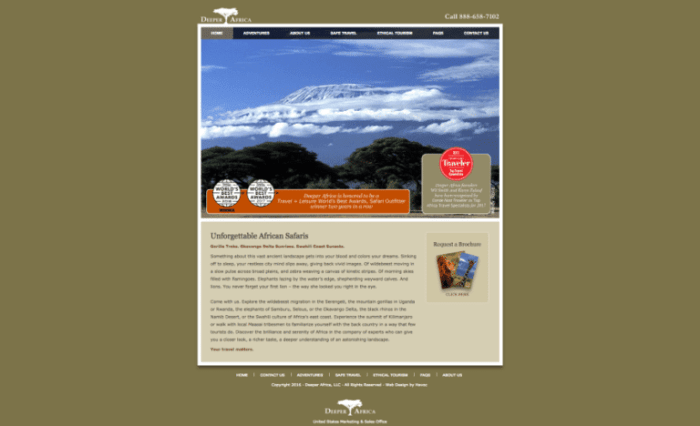
South Africa boasts a diverse range of exceptional safari destinations, each offering unique wildlife encounters and captivating landscapes. From the iconic plains of Kruger National Park to the more secluded beauty of Madikwe, choosing the right destination depends heavily on the type of safari experience you seek. This section highlights several prominent safari areas, delving into their distinctive characteristics.
Several factors influence the best safari destination for a visitor, including the specific wildlife they wish to see, the desired level of activity, and the budget. Understanding the unique ecosystems and geographical features of each area can greatly enhance the overall safari experience.
Kruger National Park
Kruger National Park, a renowned South African icon, is the largest game reserve in the country. It’s renowned for its abundant wildlife, including the Big Five. The park’s vast expanse encompasses diverse ecosystems, from the open savannah to the riparian areas. Its rich biodiversity makes it a prime destination for a wide array of animal sightings.
- The park’s open grasslands offer excellent opportunities to spot large herds of elephants, buffalo, and zebras, as well as the elusive leopards and cheetahs. The presence of numerous watering holes is a crucial element of the park’s rich ecosystem, attracting a large concentration of wildlife.
- The varied vegetation allows for a variety of birdlife, making Kruger a paradise for birdwatchers. The geographical diversity, from riverine forests to rocky outcrops, enhances the wildlife viewing opportunities.
Suggested Wildlife Sightings: African elephants, African buffaloes, lions, leopards, rhinoceroses, zebras, giraffes, and a wide variety of antelope species.
Madikwe Game Reserve
Madikwe Game Reserve, situated in the North West Province, is renowned for its high density of wildlife. This reserve offers a more intimate safari experience compared to the vast Kruger, with a focus on wildlife viewing. Its open plains and acacia woodlands provide a beautiful setting for encounters with the Big Five and other species.
- The reserve’s open landscapes provide excellent vantage points for observing wildlife, especially during game drives. Madikwe is also renowned for its high concentration of predators, making it a fantastic destination for witnessing thrilling predator-prey interactions.
- The reserve’s management strategies, focusing on conservation and responsible tourism, contribute to its excellent wildlife viewing experiences. This ensures that the unique environment and its inhabitants are well-protected.
Suggested Wildlife Sightings: Lions, leopards, elephants, rhinos, buffalo, cheetahs, diverse antelope species, and a large variety of birdlife.
Pilanesberg National Park
Pilanesberg National Park, a volcanic crater, offers a unique and compact safari experience. The park’s relatively smaller size allows for easy exploration and a concentrated wildlife viewing experience. The surrounding environment is dominated by the iconic volcanic landscape.
- The park’s geographical features, like the volcanic outcrops and surrounding plains, contribute to a diverse ecosystem. The volcanic features provide shelter and cover for many species, while the plains offer vast open spaces for grazing.
- Its proximity to major cities makes it a popular choice for day trips and weekend getaways, offering a convenient safari experience for those seeking a shorter stay. The park’s convenient location makes it a suitable option for tourists with limited time.
Suggested Wildlife Sightings: Lions, leopards, elephants, rhinoceroses, buffaloes, zebras, giraffes, and a variety of antelope species.
Concluding Remarks
In conclusion, choosing the best South African safari company is a personalized journey. This guide has provided a comprehensive overview, encompassing diverse safari types, top companies, crucial planning factors, and ethical considerations. Ultimately, the best safari experience is one that aligns with your interests and values. Remember to research specific companies, read reviews, and consider the finer details of your preferred adventure.