How to Plan High End Weddings on a Budget: The Architect’s Guide
How to plan high end weddings on a budget. The intersection of aesthetic grandeur and fiscal restraint presents a complex logistical challenge that defines the modern luxury wedding market. In an era where “luxury” is frequently conflated with sheer volume of expenditure, the ability to curate an event that resonates with high-end sophistication while maintaining a disciplined budget is becoming a hallmark of professional event architecture. This paradigm shift requires a move away from superficial opulence toward a more rigorous, structural approach to event planning—one that prioritizes the “impact-to-spend” ratio over traditional markers of wealth.
The challenge is compounded by the systemic inflation of the wedding industry, often referred to as the “wedding tax,” where services are up-indexed solely based on the nature of the celebration. To navigate this, the planner must adopt the mindset of an investment manager, identifying which elements of the ceremony and reception drive the guest experience and which are merely decorative liabilities. This involves a deep deconstruction of the wedding value chain, from site procurement and floral logistics to the nuances of high-volume catering and staff management.
Ultimately, the successful execution of an elevated event under financial constraints is a feat of engineering. It requires the strategic deployment of resources, the exploitation of market inefficiencies, and a sophisticated understanding of lighting, timing, and spatial design. This analysis serves as a definitive framework for those seeking to achieve aesthetic excellence without the traditional financial bloat, providing a roadmap for institutional-grade event management in a cost-sensitive environment.
Understanding “how to manage high end weddings on a budget”
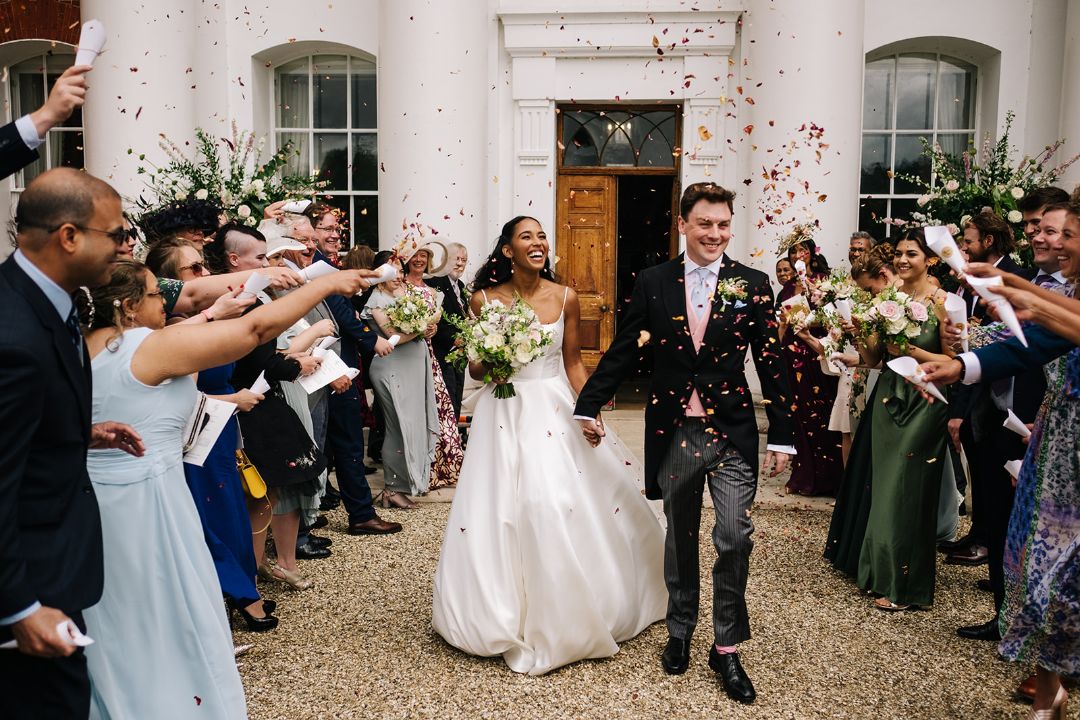
To master how to plan high end weddings on a budget, one must first decouple the concept of “luxury” from “retail price.” High-end weddings are defined by cohesion, intentionality, and the absence of logistical friction. A wedding can cost half a million dollars and feel disjointed; conversely, a wedding can be executed for a fraction of that and feel like a definitive luxury experience because the design principles—scale, lighting, and service rhythm—were managed with precision.
A primary misunderstanding is that “budget” implies “cheap.” In the high-end context, a budget is a strategic boundary. Planning within this boundary requires an understanding of “aesthetic leverage”—the idea that certain expenditures have a disproportionate impact on the overall atmosphere. For instance, investing in high-quality lighting (the “invisible architecture”) often yields a higher luxury return than over-investing in floral arrangements that may go unnoticed in a poorly lit ballroom.
The oversimplification risk lies in the “DIY” trap. Many believe that by handling logistics personally, they can save money. However, in the luxury sphere, the “cost of error” is exceptionally high. A failed transition between the ceremony and the cocktail hour can destroy the “high-end” feel of an event more effectively than a smaller flower budget ever could. Therefore, the management of these events is less about cutting costs and more about the surgical reallocation of capital to areas that create the highest perceived value.
The Evolution of the Luxury Wedding Market
Historically, the luxury wedding was a closed ecosystem, reserved for those with access to multi-generational wealth and established social registries. These events were characterized by “old world” standards: heavy formal service, white-glove catering, and traditional floral design. The cost was secondary to the adherence to protocol. However, the rise of the “experience economy” has fundamentally altered what guests perceive as luxury.
In the 2020s, luxury has shifted from “static display” to “dynamic experience.” Modern guests value the quality of the sound system, the uniqueness of the venue’s architecture, and the “flow” of the evening more than the thread count of the linens. This shift has allowed for a new type of high-end wedding—one that is leaner and more focused. The systemic evolution has moved toward “minimalist grandeur,” where the luxury is found in the edited nature of the event rather than the accumulation of details.
This historical pivot provides the opening for fiscal optimization. When luxury is no longer defined by the quantity of roses per square foot, the planner has the freedom to use “architectural” elements—such as interesting textures, negative space, and lighting—to create a high-end feel at a significantly lower cost than the traditional, maximalist model.
Conceptual Frameworks for Fiscal Event Architecture
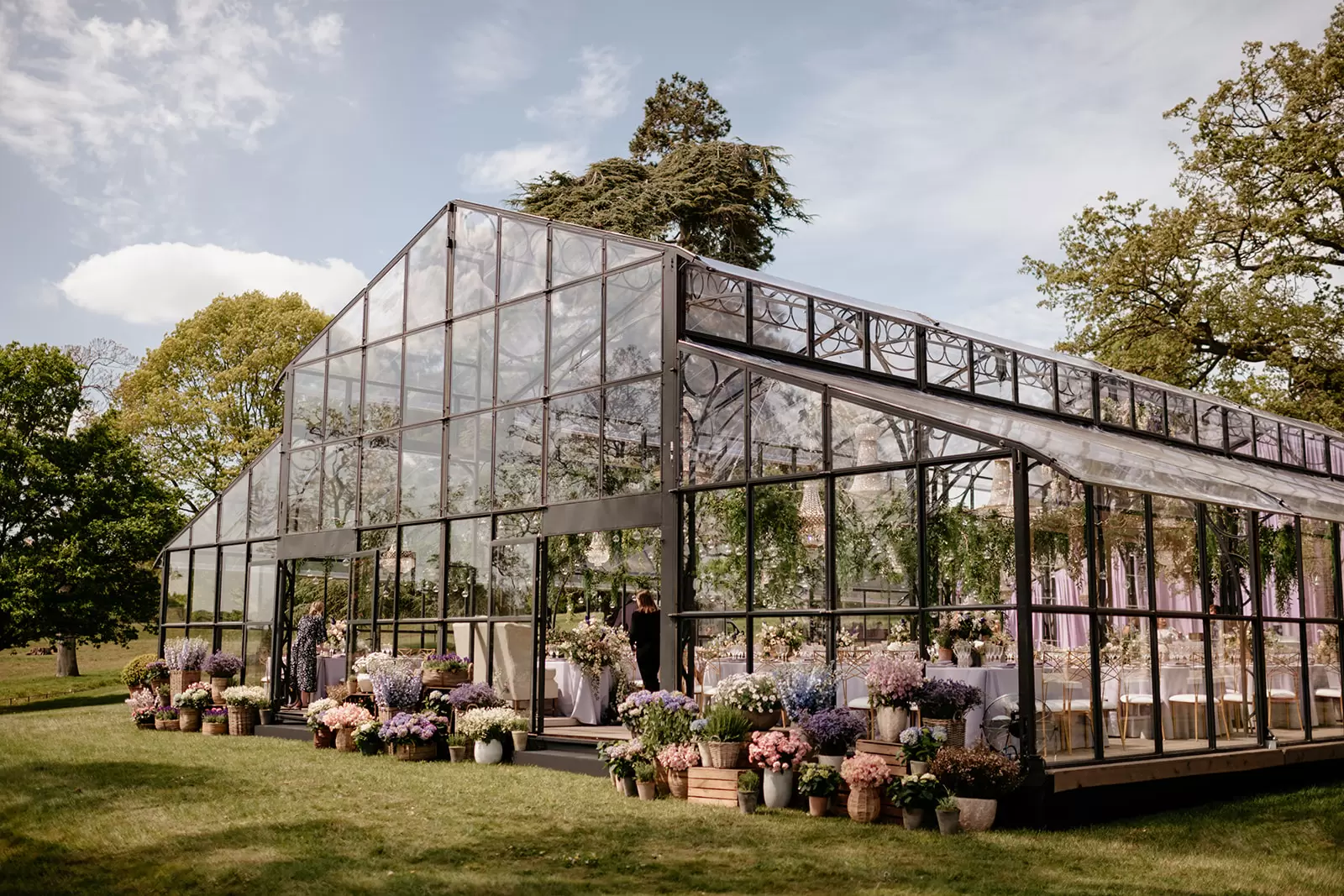
Navigating the financial complexities of high-end events requires a set of mental models that prevent emotional spending and encourage logistical rigor.
1. The “Anchor Element” Theory
This framework suggests that a luxury event only needs three “anchors”—high-impact elements that guests will remember—to establish its status. How to Plan High End Weddings on a Budget. If the venue is an architectural masterpiece, the anchor is already set, allowing for a reduction in floral and decor spend. The framework asks: “What are the three things guests will talk about tomorrow?” Everything else should be managed for baseline quality, not excellence.
2. The Lighting-to-Object Ratio
In high-end design, lighting is the “force multiplier.” This model posits that $1,000 spent on professional pin-spotting and up-lighting makes $10,000 of decor look like $50,000. Conversely, expensive decor under standard house lights looks flat and retail-grade. By prioritizing the lighting budget, the planner can use more modest objects to achieve a luxury effect.
3. The “Service Speed” Metric
Luxury is fundamentally about the absence of waiting. This framework measures the success of a budget wedding not by the menu, but by the ratio of servers to guests and the speed of the bar. A “budget” wedding with a high staff-to-guest ratio feels more premium than an expensive wedding with a 15-minute line at the bar.
Key Categories of Strategic Resource Allocation
The allocation of resources must be categorized by their “experiential impact.” This allows the planner to identify where “stealth” savings can be made without compromising the high-end veneer.
| Category | Impact Level | Strategic Optimization |
| Venue Infrastructure | Critical | Seek “dry hire” architectural spaces over “all-inclusive” halls. |
| Catering/F&B | High | Focus on “hero” appetizers; use family-style for main courses. |
| Floral/Decor | Moderate | Use “architectural” greenery; prioritize height over density. |
| Audio-Visual | High | Invest in high-fidelity sound; it defines the energy of the night. |
| Stationery | Low | High-end digital suites with one physical “keepsake” invitation. |
| Transport | Low | Luxury “shuttle” pods over individual town car service. |
Decision Logic: The “Dry Hire” Advantage
The most effective way to manage a high-end wedding on a budget is the “Dry Hire” model. By renting a raw space—an art gallery, a historic library, or a private estate—the planner avoids the 20-30% service charge and the inflated F&B minimums of hotels. How to Plan High End Weddings on a Budget. While this increases logistical complexity, it allows for the procurement of high-end catering and rentals at wholesale rates.
Real-World Scenarios: Execution and Failure Modes
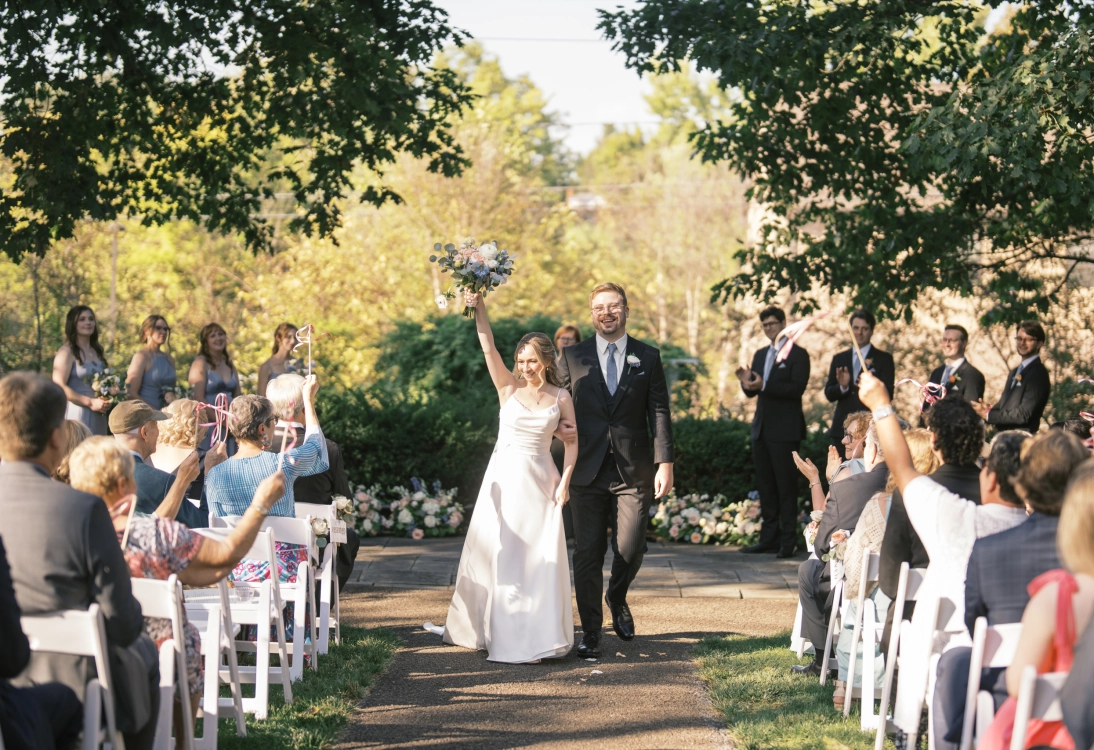
Scenario A: The Private Estate Transformation
A couple chooses a family-owned estate to save on venue fees.
-
The Success: The “natural” luxury of the setting provides an immediate high-end feel. Savings are reallocated to a world-class chef.
-
The Failure Mode: Overlooking “invisible” infrastructure. The cost of renting industrial generators, luxury restrooms, and a field kitchen exceeds the cost of a luxury hotel ballroom.
-
Lesson: Always perform a full “civil engineering” audit of raw spaces before committing.
Scenario B: The “Modified” Black-Tie Dinner
A couple wants the luxury of a 5-course dinner but cannot afford the per-head cost.
-
The Success: The planner uses a “Late Night” strategy—a lighter ceremony followed by a high-impact “Cocktail Hour” and a single, flawlessly executed “Hero Main Course.”
-
Failure Mode: Reducing staff to save money. If the 5-course meal takes 4 hours because of slow service, the “luxury” feel evaporates.
-
Resolution: It is better to serve three courses quickly with 1:10 staffing than five courses slowly with 1:20 staffing.
Economic Dynamics: Cost Variability and Opportunity
Understanding the “Wholesale vs. Retail” divide in the wedding industry is essential.
| Planning Tier | Venue Type | Cost Per Head (Estimated) | Primary Value Driver |
| Standard Luxury | 5-Star Hotel | $450 – $700 | Convenience; Brand Status. |
| Strategic Luxury | Industrial/Art Space | $200 – $350 | Customization; Aesthetic Freedom. |
| Boutique Luxury | Private Estate | $300 – $500 | Exclusivity; Intimacy. |
The Opportunity Cost of the “Wedding Tax”
Vendors often quote higher for “weddings” than for “corporate galas.” A sophisticated planner will often approach vendors with a “private event” brief first to establish a baseline market rate. Furthermore, mid-week or “off-season” dates can reduce venue costs by as much as 40%, which, in a high-end context, can mean the difference between a standard ballroom and a historic palace.
Tools, Strategies, and Support Ecosystems
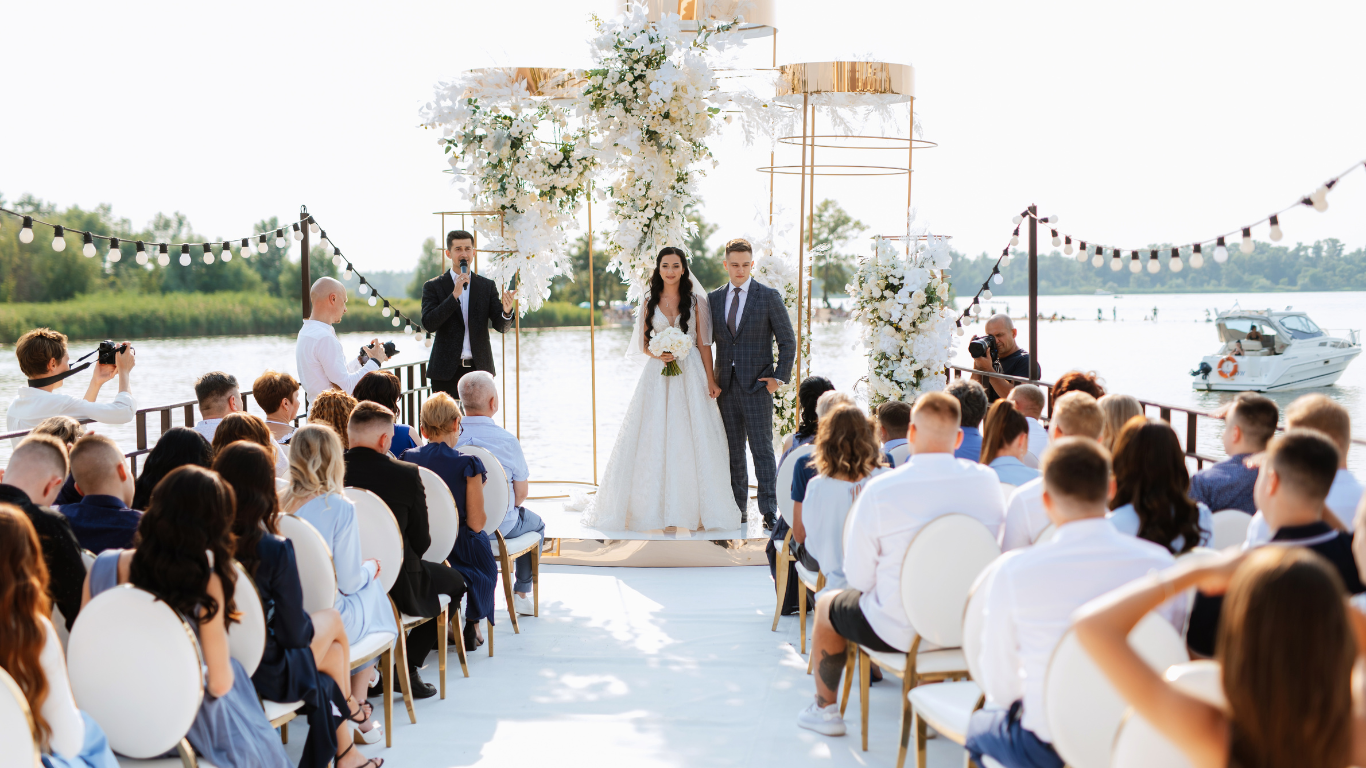
-
CAD Lighting Design: Using software to map a room’s lighting ensures that every dollar spent on decor is visible.
-
Proprietary Vendor Lists: Developing “off-radar” vendors who work primarily in film or fashion, where wedding-style markups are less common.
-
Menu Engineering: Designing a menu around “high-perceived value” seasonally abundant ingredients.
-
Digital Concierge Systems: Using apps to manage guest logistics (transport, hotel blocks) without hiring additional staffing.
-
The “Rental House” Strategy: Bypassing wedding decor companies and going directly to event production rental houses for furniture and linens.
-
Acoustic Mapping: Ensuring the sound system is tuned to the room to prevent “auditory fatigue,” a common invisible killer of high-end vibes.
Risk Landscape and Compounding Failures
In a budget-constrained high-end event, the margins for error are razor-thin.
-
The “Sub-Contractor” Cascade: If the budget catering company fails to show up with enough glasses, the entire table design is ruined. This is a compounding failure because the “visual” luxury depends on the “logistical” fulfillment.
-
Weather Volatility: High-end outdoor weddings on a budget often skimp on the “backup tent.” If it rains, the “luxury” experience becomes a disaster recovery operation.
-
Power Grid Failure: High-end lighting and sound require significant amperage. Raw spaces often lack this, and failing to rent a “whisper-quiet” generator can lead to a total event blackout.
Governance, Maintenance, and Long-Term Adaptation
The planning process should be governed by a “Change Management” protocol. If a cost increases in one area, a corresponding “luxury-neutral” cut must be made elsewhere.
The Budget Audit Cycle
-
[ ] Monthly Review: Are the “hidden” costs (gratuities, delivery fees) being tracked?
-
[ ] Vendor Vetting: Has the vendor’s recent work been audited for quality drift?
-
[ ] Guest Count Management: The most powerful lever for cost control. Reducing the guest count by 10% often increases the quality of the remaining experience by 25%.
Measurement, Tracking, and Evaluation of Success
How do we measure a “high-end” outcome?
-
Qualitative Signal: The “Guest Flow” score. Did guests ever have to wait more than 3 minutes for a drink or 10 minutes for a transition?
-
Quantitative Signal: The “Impact-to-Dollar” ratio. Did the $5,000 lighting rig create more visual impact than the $15,000 floral wall?
-
Leading Indicator: The response rate of high-tier vendors. If top-tier photographers are willing to work the event for a slightly lower rate, it indicates the “aesthetic value” of the plan is high.
Common Misconceptions and Oversimplifications
-
“Flowers are the most important decor”: False. Lighting and space are the primary drivers of atmosphere.
-
“Open bars are too expensive. An open bar is a prerequisite for luxury. It is better to have a high-end “Limited Bar” (Top-shelf Gin, Vodka, and 3 wines) than a “Full Bar” with mid-grade spirits.
-
“Plated dinner is always better than buffet”: A high-end, “Chef-manned” station buffet can feel more luxurious and interactive than a lukewarm, mass-produced steak dinner.
-
“DIY saves money”: Often, the time and equipment rental costs of DIY exceed the professional service fee.
-
“You need a massive cake”: Many luxury weddings are moving toward “architectural” dessert displays or passed delicacies, which are often cheaper and less wasteful.
-
“The dress is the biggest statement”: In terms of the event’s luxury, the venue and the service are the biggest statements.
Ethical and Practical Considerations
In 2026, a “high-end” wedding must also be a “conscious” wedding. Waste is increasingly viewed as “low-class.” Managing a budget often aligns perfectly with sustainability goals—using local, seasonal flowers; reducing plastic; and focusing on quality over quantity. A wedding that is elegantly edited is not only fiscally responsible but ethically superior in a world where conspicuous consumption is being scrutinized.
Conclusion: The Synthesis of Elegance and Discipline
The mastery of how to plan high end weddings on a budget is found in the rejection of the “more is better” philosophy. True luxury is an intellectual pursuit—it is the ability to see the architectural potential in a raw space, to understand the emotional impact of a specific frequency of light, and to value the rhythm of service over the static display of wealth.
Success in this field is not measured by the total spend, but by the coherence of the vision. A wedding that is disciplined in its execution, focused in its design, and generous in its hospitality will always be perceived as a high-end event, regardless of the underlying financial constraints. How to Plan High End Weddings on a Budget. In the final analysis, the most luxurious events are those where the guests feel the hand of an architect—someone who prioritized their experience over their own vanity.