Medical Billing Online Work Your Guide
Medical billing online work is a growing field offering flexibility and remote opportunities. This guide explores the ins and outs of this dynamic profession, from the various roles and responsibilities to the essential skills and tools needed for success. We’ll delve into the benefits and drawbacks, examine the job market, and discuss training, compensation, and ethical considerations.
This comprehensive overview covers essential aspects of medical billing online work, including the types of roles available, the required technical and soft skills, the current job market trends, educational paths, compensation expectations, and the crucial aspects of maintaining a productive remote workspace. We will also touch upon ethical considerations and compliance.
Introduction to Online Medical Billing Work

Medical billing is a crucial component of the healthcare system. Accurate and timely billing ensures that healthcare providers receive payment for their services, allowing them to maintain operations and provide care. Efficient medical billing also helps in tracking patient records and managing finances within healthcare facilities. Online medical billing work has become increasingly important due to its efficiency and accessibility.
Online medical billing offers a wide range of opportunities for professionals, providing flexibility and potentially higher earning potential. The roles involved often require strong attention to detail, accuracy, and the ability to work independently or as part of a team.
Overview of Online Medical Billing Roles
Various roles are available within the field of online medical billing, each with specific responsibilities. Understanding these roles can help individuals choose a career path that aligns with their skills and interests.
- Medical Billers: Medical billers are responsible for processing claims submitted by healthcare providers to insurance companies. This involves ensuring the accuracy of patient information, insurance details, and procedure codes. They follow established billing guidelines and procedures to ensure the claims are processed correctly and efficiently.
- Medical Coders: Medical coders are responsible for assigning appropriate medical codes to the procedures and services performed by healthcare providers. This involves using established coding manuals and guidelines to accurately represent the services provided to insurance companies. Accurate coding is essential for claim processing and reimbursement.
- Medical Bill Auditors: Medical bill auditors review submitted claims to ensure compliance with insurance policies and regulations. They identify any errors or discrepancies in the claims and make necessary corrections to improve the accuracy of reimbursement. This role is vital in preventing fraud and abuse within the medical billing system.
Typical Responsibilities and Tasks
Online medical billing work typically involves a variety of responsibilities and tasks. These tasks are often performed using specialized software and tools.
- Claim Processing: This involves entering patient information, insurance details, procedure codes, and other relevant data into billing software. The process also involves verifying the accuracy of the data entered and ensuring compliance with billing guidelines.
- Insurance Verification: This entails verifying patient insurance coverage, eligibility, and benefits to ensure claims are processed correctly. It involves checking policy details, coverage limits, and any pre-authorization requirements.
- Follow-up on Claims: This involves communicating with insurance companies to resolve any issues with claims, ensuring the timely processing of payments to providers. This includes handling claim rejections and requesting additional information from the provider or patient if necessary.
Software and Tools Used in Online Medical Billing
Specific software and tools are essential for efficient online medical billing. These tools streamline processes and improve accuracy.
- Electronic Health Records (EHR) Systems: EHR systems often integrate with billing software, allowing for automated data entry and claim processing. This streamlines the entire process, minimizing errors and improving efficiency.
- Billing and Coding Software: Billing software packages are designed to handle the entire billing process, from claim submission to payment posting. These systems often have features for automated claim processing, reporting, and reconciliation.
- Insurance Claim Clearinghouses: Clearinghouses facilitate the submission of claims to multiple insurance companies, streamlining the process for providers and increasing efficiency. Clearinghouses often provide valuable data and reporting capabilities.
Benefits and Drawbacks of Online Medical Billing Work
Online medical billing, a rapidly growing sector, offers unique advantages and challenges for professionals. This work often allows for greater flexibility and remote work options, but also requires specific skills and considerations regarding sensitive patient data. Understanding these aspects is crucial for individuals contemplating a career in this field.
Advantages of Online Medical Billing Work
Online medical billing presents several appealing features. The remote nature of the work allows for greater flexibility in scheduling, accommodating personal commitments, and potentially leading to improved work-life balance. This flexibility often translates to a wider pool of potential candidates, allowing companies to recruit and retain talent more effectively. The elimination of commute time can result in significant time savings and reduced stress levels for employees.
Disadvantages of Online Medical Billing Work
While the advantages are compelling, online medical billing also presents potential drawbacks. A crucial aspect is the need for strong time management skills. The independent nature of the work necessitates self-discipline and the ability to prioritize tasks effectively. Maintaining productivity and adherence to deadlines without direct supervision is vital for success. Additionally, handling sensitive patient information requires strict adherence to privacy regulations, such as HIPAA, and careful attention to data security protocols. Failure to comply with these regulations can result in serious consequences, both professionally and legally.
Comparison with Traditional In-Office Roles
The comparison between online medical billing and traditional in-office roles highlights distinct differences. Traditional roles typically offer structured schedules and direct supervision, which can be comforting for some individuals. However, they often lack the flexibility and autonomy that online work provides. Online medical billing, on the other hand, demands self-reliance and a robust understanding of time management, along with an in-depth knowledge of medical billing processes.
Comparison Table: Online Medical Billing
| Benefit | Explanation | Drawback | Explanation |
|---|---|---|---|
| Flexibility | Remote work allows for customized schedules, accommodating personal commitments. | Strong Time Management Skills Required | Independent work demands self-discipline and effective prioritization of tasks to meet deadlines. |
| Remote Work Opportunities | Elimination of commute time and potential for improved work-life balance. | Handling Sensitive Patient Data | Strict adherence to privacy regulations (e.g., HIPAA) and data security protocols is critical. |
| Potential for High Earnings | Some online medical billing roles offer competitive compensation, particularly those involving higher-volume tasks. | Potential for Isolation | Lack of direct interaction with colleagues may lead to feelings of isolation for some individuals. |
| Wider Talent Pool | Remote work attracts a wider pool of qualified candidates, improving recruitment and retention strategies. | Technical Proficiency Required | Strong computer skills, proficiency with medical billing software, and knowledge of medical terminology are essential. |
Skills Required for Online Medical Billing Work
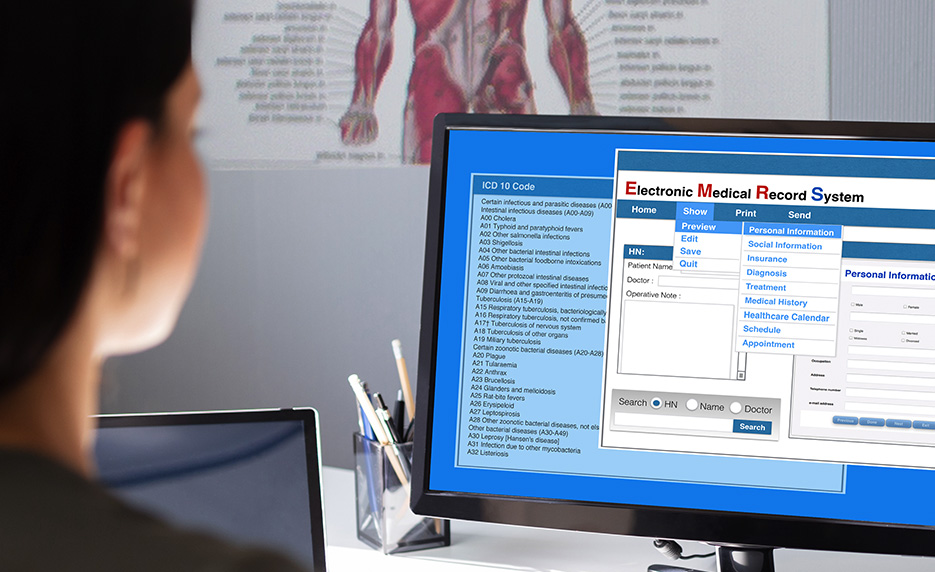
Online medical billing, a vital component of healthcare administration, demands a unique blend of technical and soft skills. Success in this field hinges on a thorough understanding of medical coding, billing procedures, and software applications, alongside essential interpersonal and organizational abilities. These skills, coupled with a strong commitment to confidentiality and regulatory compliance, are crucial for accurate and efficient processing of claims.
Effective online medical billing necessitates a meticulous approach to detail, accuracy, and time management. Maintaining patient confidentiality and adhering to regulations like HIPAA is paramount. This ensures the protection of sensitive patient information and avoids potential legal ramifications.
Technical Skills
A strong foundation in medical billing relies on mastering specific technical skills. These skills are vital for navigating the complexities of online medical billing processes. Proficiency in medical coding systems, such as ICD-10 and CPT, is essential for accurately classifying diagnoses and procedures. Familiarity with electronic health record (EHR) systems and billing software is also critical for seamless data entry and claim submission.
Software Proficiency
Expertise in billing software applications is a cornerstone of successful online medical billing. Different software platforms may vary in their specific functionalities, but general proficiency in tasks like data entry, claim submission, and report generation is crucial. This often involves navigating user interfaces, understanding system workflows, and learning specific software commands for efficient operation. A high level of comfort with online platforms and a willingness to learn new systems are beneficial.
Soft Skills
Beyond technical proficiency, strong soft skills are equally important for success in online medical billing. These skills contribute significantly to effective communication, problem-solving, and professional conduct. Exceptional communication skills, including the ability to clearly and concisely communicate with providers, patients, and insurance companies, are essential. A meticulous attention to detail is critical to avoid errors that can delay payments or result in denied claims. High accuracy and the ability to maintain composure under pressure are also vital in handling demanding workloads.
Confidentiality and HIPAA Compliance
Protecting patient confidentiality is a fundamental ethical and legal requirement in the medical field. Adherence to HIPAA regulations is non-negotiable for anyone involved in handling protected health information (PHI). This includes safeguarding electronic records, maintaining physical security, and implementing appropriate access controls. Failure to adhere to HIPAA regulations can lead to severe consequences, including hefty fines and reputational damage.
Required Skills Table
| Skill Type | Description |
|---|---|
| Technical Skills | Proficiency in medical coding systems (ICD-10, CPT), EHR systems, and billing software. Understanding of billing procedures and regulations. |
| Soft Skills | Strong communication skills, meticulous attention to detail, high accuracy, and the ability to maintain composure under pressure. Excellent organizational skills for managing multiple tasks and deadlines. Demonstrated ability to work effectively in a team environment. |
Job Market Trends and Opportunities
The online medical billing sector is experiencing consistent growth, driven by the increasing adoption of telehealth and remote work models. This presents substantial opportunities for qualified professionals seeking flexible work arrangements. The demand for skilled medical billing specialists continues to rise as healthcare organizations strive to optimize their administrative processes.
The current job market demonstrates a strong need for individuals proficient in medical billing software and coding systems. Organizations are seeking candidates who can accurately and efficiently process claims, ensuring timely reimbursement for services rendered.
Current Job Market Trends
The online medical billing sector exhibits a dynamic and evolving job market. Key trends include a rising demand for remote work opportunities, a preference for professionals with strong technical skills, and a focus on organizations that prioritize efficiency and accuracy in billing processes.
Projected Growth and Demand
The projected growth of the online medical billing sector is anticipated to remain robust. Factors such as the ongoing expansion of telehealth services and the increasing complexity of medical coding regulations contribute to this trend. For instance, the increasing number of patients using telehealth platforms necessitates a larger workforce to handle the associated billing tasks. This growth is expected to be more pronounced in regions with a high concentration of healthcare facilities or telehealth providers.
Emerging Specializations and Niches
Several specialized niches within online medical billing are emerging, including expertise in specific healthcare specialties (e.g., cardiology, oncology), proficiency in various electronic health record (EHR) systems, and proficiency in international billing procedures. Further, the demand for billing professionals who possess a comprehensive understanding of compliance regulations and best practices is steadily increasing.
Researching Job Boards and Online Platforms
To discover potential medical billing opportunities, a methodical approach is essential. Begin by identifying reputable online job boards dedicated to healthcare or administrative positions. Utilize s such as “medical biller,” “online medical billing,” or “remote medical billing” to refine your search. Analyze the requirements and responsibilities in each job posting, ensuring that your skills and experience align with the advertised role. Explore specialized job boards or platforms frequented by healthcare organizations. For instance, LinkedIn is a valuable resource for networking and identifying job postings. Additionally, websites dedicated to remote work or freelance opportunities may yield relevant medical billing positions.
Education and Training for Online Medical Billing
Online medical billing, while offering flexible work arrangements, necessitates specific knowledge and skills. A solid educational foundation, coupled with ongoing professional development, is crucial for success in this field. This section details the educational requirements for various online medical billing roles and highlights the importance of continuous learning.
Different online medical billing roles may have varying educational prerequisites. Entry-level positions often prioritize demonstrable knowledge and proficiency gained through training and experience.
Educational Requirements for Different Roles
Entry-level online medical billing positions frequently do not require formal degrees. However, demonstrating knowledge through certifications is highly valued. These certifications often involve successful completion of a course of study and passing an exam. Advanced roles, such as billing supervisors or managers, may require a degree in a relevant field like business administration, healthcare administration, or a related field. This may not always be mandatory, but, is a beneficial credential for demonstrating a deeper understanding of business principles and healthcare systems.
Importance of Continuing Education
The healthcare industry is constantly evolving. New regulations, technological advancements, and changes in coding systems necessitate continuous learning to maintain proficiency. Continuing education courses and professional development opportunities help medical billers stay abreast of these updates and maintain their expertise. Staying current in these areas is paramount for maintaining accuracy and compliance.
Training Resources for Medical Billing
Numerous online resources offer comprehensive training for medical billing. These platforms provide flexible learning options, allowing individuals to acquire the necessary skills at their own pace. Many reputable online platforms provide courses tailored to specific medical billing roles.
Online Courses and Resources
- Online Course forms Numerous online platforms like Coursera, Udemy, and LinkedIn Learning offer medical billing courses. These courses cover various aspects of the field, from fundamental coding principles to advanced billing procedures.
- Certification Programs: Many organizations offer certification programs that provide structured learning paths. Successful completion of these programs often leads to industry-recognized credentials, boosting credibility and career prospects. Examples include the Certified Professional Coder (CPC) credential offered by the American Academy of Professional Coders (AAPC).
- Industry Publications and Journals: Staying updated with industry publications and journals can provide valuable insights into current trends, regulations, and best practices in medical billing. This helps in navigating the ever-changing landscape of healthcare billing.
- Practice Management Software Tutorials: Many medical billing software providers offer online tutorials and support resources. Understanding how to effectively use these systems is essential for efficiency and accuracy in online medical billing.
- Regulatory Bodies: Familiarizing oneself with the guidelines and regulations set by governing bodies, like the Centers for Medicare & Medicaid Services (CMS), is critical. These resources often provide detailed information on coding, billing procedures, and compliance requirements.
Compensation and Salary Expectations
Compensation for online medical billing roles varies significantly based on several factors, including experience, location, and certifications. Understanding these factors is crucial for evaluating potential earning potential and career advancement within this field.
Average Compensation Ranges, Medical Billing Online Work
Average salaries for online medical billing professionals fluctuate based on experience and the specific role. Entry-level positions often have lower salaries compared to those requiring more extensive experience and specialized skills. Location also plays a substantial role, with higher-cost-of-living areas typically commanding higher compensation.
Factors Influencing Salary Variations
Several factors significantly impact the compensation of online medical billing professionals. Experience is a key driver, with more seasoned professionals often commanding higher salaries due to their expertise and demonstrable proficiency. Geographical location also influences compensation; regions with a higher cost of living generally offer higher salaries to attract and retain qualified personnel.
- Experience: Entry-level roles typically offer lower compensation compared to positions demanding several years of experience in the medical billing domain. Senior-level roles, with demonstrated expertise and extensive experience, command significantly higher salaries.
- Location: Salary levels often correlate with the cost of living in a particular area. High-cost-of-living areas usually offer higher compensation to attract and retain qualified personnel.
- Certifications: Certifications such as Certified Professional Coder (CPC) or Registered Health Information Technician (RHIT) often lead to higher compensation due to the demonstrated proficiency and advanced knowledge these credentials represent.
Potential Earning Opportunities and Benefits Packages
Online medical billing professionals can earn a competitive salary, depending on their experience, skill set, and the specific role they assume. The potential for earning bonuses or commissions can further enhance income. Benefits packages, which may include health insurance, paid time off, and retirement plans, can also vary depending on the employer.
- Bonus Structures: Some employers offer bonuses based on performance metrics or achievement of specific targets, providing an additional incentive for exceptional performance.
- Commission Opportunities: In certain roles, commissions might be structured as an additional income stream, linked to the volume of work completed successfully.
- Comprehensive Benefits: Benefit packages often include health insurance, paid time off, and retirement plan options, which are crucial factors to consider when assessing the overall compensation package.
Salary Range Table
| Experience Level | Role | Average Salary | Benefits |
|---|---|---|---|
| Entry-Level (0-2 years) | Medical Biller | $35,000 – $45,000 | Health insurance, PTO |
| Mid-Level (3-5 years) | Senior Medical Biller/Coder | $45,000 – $60,000 | Health insurance, PTO, retirement plan |
| Senior-Level (5+ years) | Lead Medical Biller/Supervisor | $60,000 – $80,000+ | Health insurance, PTO, retirement plan, performance bonus |
Note: Salary ranges are estimates and may vary based on specific skills, certifications, and employer.
Working Environment and Remote Work
Online medical billing work offers a highly flexible and often remote work environment, a significant draw for many professionals. This flexibility allows for a better work-life balance and accommodates diverse personal circumstances. The ability to work from home or other remote locations is a significant advantage.
The remote nature of the work often dictates the specific workspace setup. This includes everything from dedicated home office spaces to co-working environments or even mobile work arrangements. Understanding the necessary elements for a productive remote environment is crucial.
Typical Work Environment
The typical work environment for online medical billing professionals is overwhelmingly remote. This means working from a home office, a dedicated co-working space, or even a mobile setup, such as a laptop and internet connection in a coffee shop. Flexibility in scheduling is often a key aspect, allowing for better management of personal commitments.
Remote Work Setups
Various remote work setups are possible, each with its oadvantagesanadvantagestages. Examples include:
- Dedicated Home Office: A designated room or area solely for work tasks, offering a structured and focused environment. This setup fosters a clear separation between work and personal life, promoting better concentration and productivity. Sufficient space for a comfortable workspace, a reliable internet connection, and proper lighting and temperature control are essential.
- Co-working Space: A shared workspace designed for remote workers, offering access to communal resources like printers, meeting rooms, and high-speed internet. This option can provide social interaction and networking opportunities, but may require careful consideration of noise levels and distractions.
- Mobile Work: Working remotely from various locations, such as coffee shops, libraries, or even during travel. This flexibility allows for maximum mobility but requires greater self-discipline and a reliable internet connection.
Importance of a Professional Workspace
Maintaining a professional and organized workspace is paramount for online medical billing professionals. A structured and organized environment promotes focus, minimizes distractions, and helps maintain a professional image. This also applies to virtual environments, such as online meeting spaces.
Creating a Productive Remote Workspace
“A dedicated workspace, even if it’s a corner of a room, fosters a clear separation between work and personal life, enhancing focus and productivity. Invest in good lighting, a comfortable chair, and ergonomic equipment for long-term well-being. Minimizing distractions and maintaining a clean and organized environment is key.”
Resources and Tools for Online Medical Billing Work: Medical Billing Online Work

Source: akasa.com
Choosing the right software and tools is crucial for efficiency and success in online medical billing. Reliable platforms streamline processes, reduce errors, and improve overall productivity. A well-selected system allows for accurate coding, timely submissions, and smooth communication with insurance companies, ultimately impacting a medical practice’s financial health.
Essential Software and Tools
Effective online medical billing relies on a suite of tools that handle various aspects of the process. These tools help manage claims, track payments, and communicate with payers.
- Claim Submission Software: These platforms facilitate the submission of claims to insurance companies electronically. They often offer features for tracking claim status, generating reports, and managing various claim types. This automation minimizes manual data entry, reducing errors and processing time. Examples include specific software tailored for specific insurance payers.
- Practice Management Software: Comprehensive practice management software often includes billing modules. These integrated systems help manage patient records, appointments, and financial transactions, providing a central hub for all practice operations. This holistic approach reduces data silos and streamlines workflows.
- Coding and Reimbursement Software: These tools assist in accurate medical coding, ensuring proper reimbursement from insurance companies. Advanced features may include code lookup, compliance checks, and detailed reports on reimbursement trends. These tools are particularly useful for avoiding potential coding errors that can impact reimbursements.
- Payment Processing Platforms: These platforms handle the processing of payments received from insurance companies or patients. They usually integrate with billing software to automate the payment posting process. This seamless integration ensures timely reconciliation and reporting.
- Cloud-Based Storage: Storing billing data and records in a secure cloud-based system offers accessibility and backup capabilities. This is essential for data safety and easy access from multiple locations.
Importance of Reliable and Secure Online Billing Platforms
Selecting reliable and secure platforms is paramount for protecting sensitive patient data and maintaining compliance with industry regulations. The risk of data breaches or errors can have serious consequences for both the practice and patients. A secure system safeguards financial information and ensures accurate billing and payment processing.
- Data Security: Look for platforms with robust security measures to protect patient data from unauthorized access and breaches. Consider features like encryption and multi-factor authentication. This protects sensitive patient information.
- Compliance: Choose platforms that adhere to relevant healthcare regulations, such as HIPAA. Compliance ensures that practices operate within legal boundaries.
- Scalability: The chosen platform should be able to adapt to the growing needs of the practice. This is especially important for practices anticipating expansion in the future.
- Customer Support: A reliable platform should offer prompt and helpful customer support to address technical issues or questions. Responsive support is vital for smooth operation.
Comparison of Online Medical Billing Software Options
This table offers a comparative overview of different online medical billing software options.
| Software Name | Key Features | Pricing | User Reviews |
|---|---|---|---|
| Software A | Electronic claim submission, patient portal, reporting, and HIPAA compliance. | Starts at $XX per month, with additional costs for advanced features. | Generally positive, with users praising ease of use and efficiency. |
| Software B | Comprehensive practice management, billing, and reporting tools. | Starts at $YY per month, with a tiered pricing structure. | Mixed reviews, with some users highlighting the software’s complexity. |
| Software C | Advanced coding and reimbursement features, claim tracking, and reporting. | Starts at $ZZ per month, with additional costs for advanced features. | Positive reviews focus on accurate coding and reimbursement accuracy. |
| Software D | Simple billing platform for smaller practices with limited features. | Affordable monthly fee. | Users mention a lack of advanced features but praise ease of use. |
Ethical Considerations and Compliance

Source: medicalbillingcourse.com
Maintaining ethical standards is paramount in online medical billing. Upholding these standards ensures patient privacy, accuracy in billing, and compliance with relevant regulations. A strong ethical foundation builds trust and credibility in the field.
Adherence to ethical principles and regulatory compliance is critical for online medical billing professionals. This involves a deep understanding of HIPAA regulations, billing accuracy, and potential legal and ethical pitfalls. The field demands a commitment to honesty and integrity to avoid costly mistakes and maintain a professional reputation.
Importance of Ethical Conduct
Ethical conduct in online medical billing is essential for maintaining trust and integrity. It involves acting with honesty, fairness, and responsibility in all aspects of the job. This includes accurate coding, proper documentation, and transparent communication with clients and patients. Ethical billing practices contribute to the overall health of the medical industry and the financial well-being of healthcare providers.
Adherence to Privacy Regulations (e.g., HIPAA)
Understanding and strictly adhering to HIPAA (Health Insurance Portability and Accountability Act) regulations is crucial for online medical billing professionals. HIPAA mandates the protection of sensitive patient information, including medical records and financial data. This protection is achieved through secure data storage, access controls, and encryption measures. Non-compliance can lead to severe penalties and reputational damage.
Potential Legal and Ethical Issues
Several legal and ethical issues can arise in online medical billing. These include:
- Incorrect Coding: Using incorrect codes for services rendered can lead to overbilling or underbilling, potentially resulting in legal repercussions. Proper training and ongoing education are vital to maintain accuracy.
- Falsification of Records: Intentional or unintentional falsification of medical records or billing information is a serious offense with severe legal consequences. Strict adherence to documentation guidelines and accurate record-keeping is paramount.
- Conflicts of Interest: Billing professionals should avoid conflicts of interest, such as accepting kickbacks or engaging in practices that benefit themselves at the expense of the patient or healthcare provider. Maintaining objectivity and integrity in billing processes is critical.
- Misrepresentation of Services: Misrepresenting the services rendered or exaggerating the extent of care can result in penalties and legal action. Honest and transparent billing practices are essential.
Best Practices for Ethical Billing and Coding
Implementing best practices for ethical billing and coding is crucial to mitigate potential risks and maintain a positive reputation.
- Accurate Coding and Documentation: Thorough training in coding procedures and maintaining accurate documentation is paramount. Utilize reputable resources and stay updated on the latest coding guidelines. Double-checking for accuracy is vital.
- Maintaining Confidentiality: Prioritize patient confidentiality by implementing robust security measures to protect sensitive data. Adhering to HIPAA regulations and best practices for data security is critical.
- Transparent Communication: Maintain open and honest communication with healthcare providers and patients. Clearly explain billing procedures and any discrepancies. Addressing concerns promptly builds trust and minimizes misunderstandings.
- Continuing Education: Staying updated on the latest billing guidelines and regulations is vital. Regularly review industry updates and participate in professional development courses to maintain competence and ethical standards.
Closure
In conclusion, medical billing online work presents a compelling career path for those seeking flexibility, remote work options, and a rewarding role within the healthcare industry. We’ve explored the various facets of this profession, from the required skills and training to the compensation and benefits. By understanding the opportunities and challenges, individuals can make informed decisions about pursuing a career in online medical billing.