
Remote Assistant Companies A Comprehensive Guide
Remote assistant companies are revolutionizing the way businesses operate, offering a wide range of services from virtual assistance to project management. These companies leverage technology to connect with clients globally, providing a flexible and cost-effective solution for tasks ranging from administrative support to complex projects. Understanding the diverse landscape of remote assistant companies is crucial for both clients seeking efficient solutions and businesses looking to expand their operations in a dynamic market.
This guide explores the evolution, key features, and prospects of the remote assistant industry. We will examine the various types of services offered, the skills and qualifications required for remote assistants, and the growth trajectory of the sector. Different pricing models and client success stories will be highlighted, along with an analysis of market trends and future innovations. The comparison of different remote assistant companies and their strengths and weaknesses will provide a clear picture of the choices available to clients.
Introduction to Remote Assistant Companies

Remote assistant companies are rapidly gaining traction as businesses and individuals seek efficient and cost-effective solutions for tasks ranging from scheduling and communication to project management and customer service. These companies leverage technology and skilled personnel to provide a wide array of support, enabling clients to focus on core business activities.
Remote assistant services are evolving to meet diverse needs. They go beyond simple administrative tasks and now encompass specialized areas, such as social media management, content creation, and even specialized research and data analysis. This adaptability is crucial for staying competitive in the modern business landscape.
Overview of Remote Assistant Services
Remote assistant services cater to a diverse range of needs, encompassing various tasks and responsibilities. From basic administrative support to more complex project management functions, the spectrum of services is quite broad. This allows for tailoring solutions to specific client requirements.
- Administrative support: Tasks like scheduling appointments, managing emails, and maintaining calendars are common examples. This can involve handling correspondence, travel arrangements, and other logistical details.
- Project management: Experienced remote assistants can take on project planning, organization, and execution. This includes task delegation, progress tracking, and communication with stakeholders.
- Customer support: Managing inbound inquiries, responding to queries, and resolving customer issues are critical functions. Remote assistants can handle various channels, including phone calls, emails, and social media platforms.
- Social media management: Assisting with content creation, scheduling posts, monitoring engagement, and responding to comments on social media platforms is becoming increasingly common.
- Research and data analysis: Advanced remote assistants can conduct market research, analyze data, and provide insights for informed decision-making.
Typical Clientele for Remote Assistant Services
The clientele for remote assistant services is varied, encompassing individuals and businesses across diverse industries. The need for assistance often arises from a desire to increase productivity, manage time more effectively, and delegate non-core tasks.
- Entrepreneurs and small business owners: These individuals often benefit from administrative support, social media management, and project management services to handle the many demands of running a business.
- Freelancers and independent contractors: Remote assistants can handle administrative tasks, allowing freelancers to focus on their core work.
- Corporate professionals: Remote assistants can support executives and managers with scheduling, communication, and other tasks to optimize their efficiency.
- Students: Remote assistants can assist with research, organization, and time management, improving academic performance.
Growth Trajectory of the Remote Assistant Sector
The remote assistant sector is experiencing substantial growth due to several factors, including the increasing demand for efficiency, the rise of remote work, and the overall accessibility of technology.
The growing trend of remote work is driving the demand for remote assistants as companies and individuals look for ways to optimize their operations and focus on core tasks.
The growth is also fueled by the affordability and accessibility of remote assistant services, making them a viable option for various budgets.
Comparison of Remote Assistance Models
Different models of remote assistance cater to diverse needs. The table below compares virtual assistants, project managers, and customer support assistants, highlighting their core functions and typical tasks.
| Model | Core Function | Typical Tasks |
|---|---|---|
| Virtual Assistant | Administrative support and task management | Scheduling appointments, managing emails, travel arrangements, and basic document preparation |
| Project Manager | Planning, organizing, and executing projects | Defining project scope, assigning tasks, tracking progress, managing timelines, and reporting |
| Customer Support Assistant | Handling customer inquiries and resolving issues | Responding to emails and phone calls, troubleshooting problems, and escalating issues to relevant parties |
Key Features of Remote Assistant Companies
Remote assistant companies are increasingly popular, offering valuable support services to clients. Their success hinges on a combination of efficient operations, skilled personnel, and a tailored approach to client needs. This section delves into the key features that set successful remote assistant companies apart.
Distinguishing Features of Successful Companies
Successful remote assistant companies typically prioritize client satisfaction through meticulous organization and seamless communication. They cultivate a strong company culture that values professionalism, reliability, and responsiveness. A robust onboarding process for both clients and assistants is crucial to ensure a smooth transition and build trust. Companies also often invest in comprehensive training programs for their assistants, equipping them with the necessary skills and knowledge to excel in their roles.
Communication Tools and Technologies
Effective communication is paramount in remote assistant operations. Robust communication platforms, such as project management software, instant messaging tools, and video conferencing solutions, enable seamless collaboration and information sharing between assistants, clients, and internal teams. These tools facilitate timely responses, proactive issue resolution, and improved project management. Integration of these platforms ensures smooth workflows and minimizes communication breakdowns. Examples include Asana, Slack, and Zoom.
Essential Skills and Qualifications for Remote Assistants
Remote assistants require a diverse skill set beyond basic administrative tasks. Exceptional communication skills, including active listening and clear articulation, are essential for understanding and addressing client needs effectively. Strong organizational skills, coupled with the ability to manage multiple tasks simultaneously, are critical for maintaining efficiency. Technical proficiency in various software applications, including word processing, spreadsheet, and email management tools, is also necessary. Problem-solving abilities and a proactive approach to identifying and resolving potential issues are highly valued.
Pricing Models
Remote assistant companies utilize various pricing models to cater to diverse client needs and budgets. Hourly rates are a common approach, allowing clients to pay based on the time spent on tasks. Project-based pricing is another option, where a fixed fee is agreed upon for a specific project or set of tasks. Subscription models are also prevalent, offering clients recurring access to a certain level of assistance. These pricing models ensure that the client’s needs are addressed and the services are tailored to their budget.
Benefits of Remote Assistant Services for Clients
| Benefit | Detailed Description |
|---|---|
| Increased Efficiency | Remote assistants can handle a range of tasks, freeing up clients’ time for core responsibilities. |
| Reduced Operational Costs | Outsourcing tasks can be more cost-effective than hiring in-house staff. |
| Improved Productivity | By handling administrative tasks, remote assistants allow clients to focus on strategic initiatives. |
| Scalability and Flexibility | Clients can easily adjust the scope of assistance based on their evolving needs. |
| Access to Specialized Skills | Clients can gain access to a broader range of skills and expertise without needing to hire full-time employees. |
Market Trends and Future Outlook
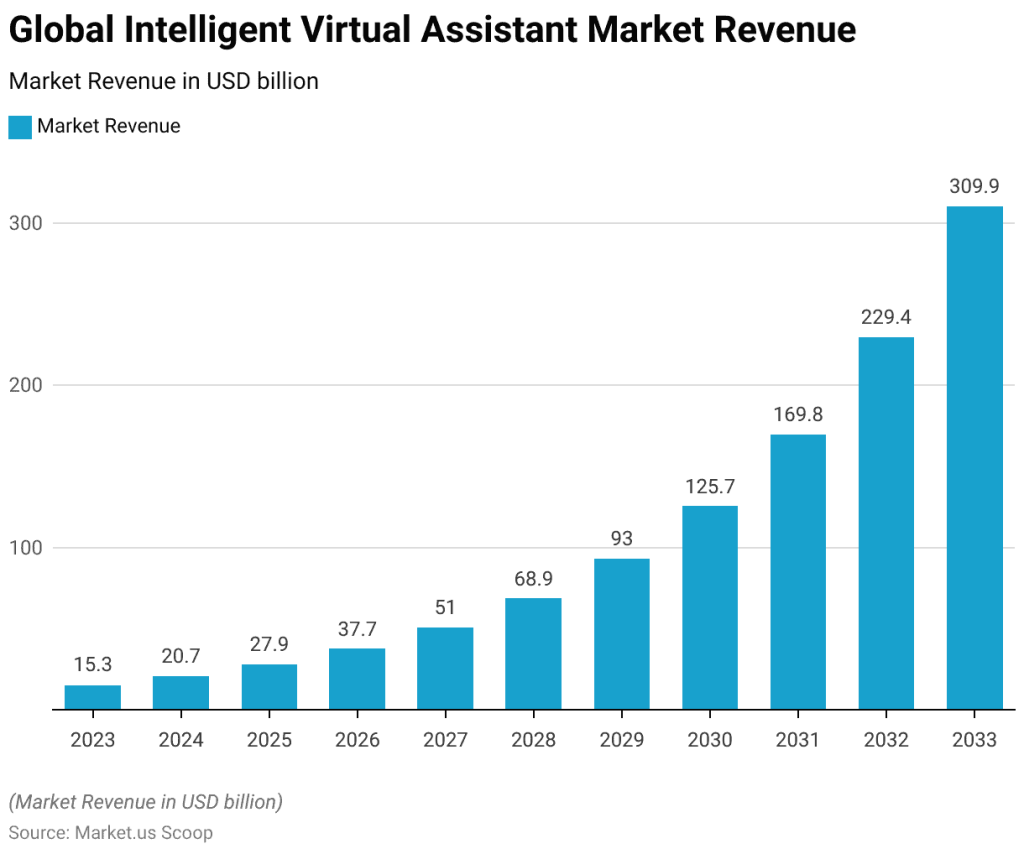
The remote assistant industry is experiencing rapid growth, driven by evolving work patterns and the increasing demand for efficiency and productivity. This growth is fuelled by factors such as the rise of remote work, the need for specialized support, and the accessibility of technology. Understanding current market trends, emerging technologies, and future predictions is crucial for navigating the dynamic landscape and capitalizing on opportunities.
Current Market Trends
Several key trends are shaping the remote assistant industry. The shift towards remote work has significantly increased the demand for virtual support, from scheduling and calendar management to research and administrative tasks. Businesses are recognizing the value of remote assistants in streamlining operations and enhancing employee productivity. Furthermore, the focus on cost-effectiveness is driving the adoption of remote assistants, offering a scalable and affordable alternative to traditional in-house support staff.
Emerging Technologies
Several technologies are poised to transform the remote assistant industry. Artificial intelligence (AI) is playing an increasingly significant role in automating tasks, improving communication, and enhancing overall efficiency. Natural Language Processing (NLP) is enabling more natural and intuitive interactions between users and remote assistants. Machine learning (ML) algorithms are being utilized to personalize services and anticipate user needs. The combination of these technologies is creating a new generation of intelligent and adaptive remote assistants.
Future Developments
The future of remote assistants promises even greater integration with various platforms and applications. We can anticipate further advancements in AI-powered personalization, allowing remote assistants to adapt to individual user preferences and workflows. Improved natural language understanding will enable more complex tasks to be handled, including complex research and data analysis. The integration of virtual reality (VR) and augmented reality (AR) technologies could create immersive experiences for remote collaboration and problem-solving.
Geographical Landscape
The remote assistant market is expanding globally, with variations in adoption rates and specific needs across different geographical regions. North America, with its established tech infrastructure and emphasis on efficiency, leads in the adoption of remote assistant services. Europe is also experiencing significant growth, driven by a strong emphasis on work-life balance and a well-developed digital infrastructure. Emerging markets in Asia and Latin America are demonstrating strong potential as the demand for cost-effective support grows.
Evolving Role of AI in Remote Assistant Services
| Year | AI Capability | Impact on Remote Assistant Services |
|---|---|---|
| 2023 | Basic task automation, simple communication | Increased efficiency in basic tasks, streamlined communication |
| 2025 | Advanced task automation, natural language understanding | Handling more complex tasks, improved interaction |
| 2027 | Predictive analytics, proactive support | Anticipating user needs, personalized support |
| 2030 | Complex problem-solving, data analysis | Handling intricate problems, insights-driven support |
Client Success Stories and Case Studies

Source: webflow.com
Remote assistant services are demonstrating a growing impact on various industries. Real-world examples illustrate how these services enhance operational efficiency and productivity for diverse client bases. These stories highlight successful implementations, demonstrating the value proposition of remote assistants and the strategies for successful integration.
Successful Client Implementations
Numerous clients have reported positive outcomes from implementing remote assistant services. These implementations demonstrate how remote assistants can streamline workflows and improve overall business operations. A common thread across these successful implementations is a clear understanding of the client’s needs and a tailored approach to integration.
Positive Outcomes Achieved by Clients
Clients who successfully integrate remote assistants often experience significant gains in efficiency and productivity. Tasks previously requiring significant manual effort can be automated, freeing up valuable time for higher-level strategic activities. Reduced operational costs, improved response times, and increased accuracy are frequent outcomes. For instance, a customer service company using remote assistants reported a 20% reduction in response time for customer inquiries, leading to increased customer satisfaction and loyalty.
Remote Assistant Onboarding Process
A structured onboarding process is crucial for seamless integration of remote assistants into client workflows. This process typically involves a detailed assessment of existing processes, identification of tasks suitable for automation, and development of clear communication protocols. Remote assistants are then trained on the specific tasks and procedures, ensuring a smooth transition. Regular communication and feedback loops are essential to adjust the workflow as needed.
Challenges Faced by Clients During Transition
Clients transitioning to remote assistance often encounter challenges related to process optimization and staff adaptation. Initial resistance to change from staff accustomed to manual processes is a common hurdle. Ensuring clear communication and training is crucial to address these challenges. A phased approach to integration, starting with smaller tasks and gradually expanding, can mitigate potential disruptions and build confidence in the new system.
Integration into Existing Business Structures
Remote assistants can be seamlessly integrated into existing business structures. The key is to identify tasks that can be delegated to remote assistants without compromising quality or critical thinking. For example, routine data entry, scheduling appointments, and basic customer service interactions are often excellent candidates for automation. This integration often involves modifying existing software interfaces to allow remote assistants to interact effectively with the existing system.
Strategies for Success for Remote Assistant Companies
Remote assistant companies face unique challenges and opportunities in today’s dynamic market. Developing a robust strategy is crucial for attracting clients, retaining talent, and achieving sustainable growth. A successful strategy must consider the specific needs of remote workers and clients while also adapting to the evolving landscape of the industry.
Developing a Robust Business Strategy
A well-defined business strategy is paramount for any remote assistant company. This strategy should encompass a clear understanding of the target market, competitive analysis, and a comprehensive financial plan. Crucially, it must articulate the specific services offered, pricing models, and growth projections. A robust strategy allows the company to navigate the complexities of the remote work sector effectively and confidently. It provides a framework for decision-making and helps to ensure long-term viability.
Successful Marketing and Sales Strategies
Attracting clients requires a multifaceted approach. Effective marketing and sales strategies should focus on building brand awareness, showcasing expertise, and establishing trust with potential clients. This involves utilizing a range of digital marketing channels, such as social media, content marketing, and search engine optimization. Furthermore, networking events and collaborations with relevant organizations can significantly expand the reach of the company and generate leads. Emphasizing client testimonials and case studies builds credibility and attracts new business.
Effective Customer Relationship Management (CRM) Practices
Customer relationship management (CRM) is vital for fostering lasting client relationships. A robust CRM system can track client interactions, manage projects, and provide valuable insights into client needs. This allows for personalized service and proactive communication. Proactive follow-up and regular communication, tailored to individual client needs, strengthen client loyalty and encourage repeat business. Utilizing data analytics within the CRM system enables companies to identify trends and improve service offerings.
Building a Strong Company Culture for Remote Teams, Remote assistant companies
Cultivating a strong company culture is critical for remote teams. This involves fostering open communication, encouraging collaboration, and recognizing individual contributions. Regular virtual team-building activities, clear communication channels, and providing opportunities for professional development help to create a supportive and productive work environment. Promoting a culture of trust, respect, and recognition ensures high levels of engagement and retention. Regular feedback mechanisms are vital for continuous improvement.
Recruitment Strategies for Attracting Top Talent
Attracting and retaining top talent is essential for success. Companies should develop a comprehensive recruitment strategy that focuses on attracting skilled and motivated individuals. This includes crafting compelling job descriptions, utilizing online job boards and social media platforms, and employing innovative recruitment methods. A competitive compensation package, benefits, and professional development opportunities attract qualified candidates.
| Recruitment Strategy | Description | Example |
|---|---|---|
| Targeted Job Postings | Posting job descriptions on platforms frequented by relevant talent pools. | Posting on specialized remote worker platforms and groups. |
| Referral Programs | Encouraging existing employees to refer potential candidates. | Offering incentives for successful referrals. |
| Online Presence Building | Creating a strong company brand and profile on professional platforms. | Active engagement on LinkedIn and other relevant platforms. |
| Competitive Compensation & Benefits | Offering attractive compensation and benefits packages to attract top talent. | Competitive salaries, comprehensive health insurance, and flexible work arrangements. |
| Virtual Onboarding Programs | Providing a smooth and engaging onboarding experience for new hires. | Interactive online training modules and virtual introductions to the team. |
Common Challenges and Solutions
Remote assistant companies face unique hurdles in maintaining efficiency and effectiveness across geographically dispersed teams. Successfully navigating these challenges is crucial for sustained growth and client satisfaction. Understanding these obstacles and implementing proactive solutions is paramount to long-term success.
Successfully managing remote assistants requires a multifaceted approach. Clear communication, robust technology, and a supportive company culture are essential components of overcoming the inherent difficulties of remote work. This section delves into common challenges and provides practical strategies for mitigating them.
Communication Protocols and Tools
Effective communication is critical for remote assistant companies. Misunderstandings and delays can severely impact productivity and client satisfaction. Implementing clear communication protocols, along with the right tools, is essential.
A well-defined communication strategy articulates the channels and methods for different types of communication, from daily check-ins to critical updates. Using project management tools for task assignment, progress updates, and file sharing is a best practice. Utilizing video conferencing for meetings and instant messaging platforms for quick questions and responses streamlines the workflow. This ensures everyone stays informed and aligned, mitigating potential misinterpretations and delays.
Maintaining Team Cohesion and Motivation
Maintaining a strong sense of team cohesion is a significant challenge in remote work environments. Remote assistants may feel isolated or disconnected from their colleagues, impacting morale and productivity.
Strategies for fostering a sense of community include regular virtual team-building activities. This can involve casual online games, shared virtual coffee breaks, or themed online events. Regular team meetings, including opportunities for social interaction, also play a crucial role. Recognizing and appreciating individual contributions through regular feedback and acknowledgment also helps boost morale and motivation.
Technical Infrastructure and Reliability
Reliable internet connectivity and robust technical infrastructure are crucial for remote assistant companies. Interruptions in service or unreliable equipment can severely disrupt workflow. This is a significant challenge that needs to be addressed proactively.
A robust technical support system is essential. This includes having readily available support staff to resolve technical issues promptly. Investing in high-quality internet connections, backup systems, and reliable devices for all remote assistants is crucial. Regular maintenance checks and redundancy measures can mitigate downtime and ensure uninterrupted service.
Managing Time Zones and Schedules
Different time zones can create scheduling conflicts and difficulties in coordinating work. Remote assistants often work across multiple time zones, demanding careful scheduling.
Utilizing scheduling software and tools can assist in managing time zone differences. The company must establish clear time zones and operating hours. This enables effective scheduling of projects and meetings. Utilizing tools for scheduling and managing tasks is essential for effective workflow management and communication across different time zones.
Managing Performance and Productivity
Monitoring performance and maintaining productivity in a remote setting is a key challenge. Remote assistants are not always physically present to monitor and guide.
Performance management strategies for remote assistants must be well-defined. This includes establishing clear performance metrics, providing regular feedback, and utilizing project management tools to track progress. Regular check-ins and progress reports are critical to ensure that goals are being met. Clear communication regarding performance expectations and standards is paramount to success.
Table: Common Remote Assistant Problems and Solutions
| Problem | Solution |
|---|---|
| Communication Breakdown | Establish clear communication protocols, utilize project management tools, and encourage regular check-ins. |
| Team Cohesion Issues | Implement virtual team-building activities, encourage social interaction, and provide regular feedback. |
| Technical Infrastructure Issues | Invest in high-quality internet connections, backup systems, and reliable devices. Establish a robust technical support system. |
| Time Zone Conflicts | Utilize scheduling software and tools. Establish clear operating hours and time zones. |
| Performance Monitoring | Define clear performance metrics, provide regular feedback, utilize project management tools, and encourage open communication. |
Remote Assistant Company Comparisons: Remote Assistant Companies

Comparing remote assistant companies allows clients to assess the best fit for their specific needs. Understanding the strengths, weaknesses, pricing models, and service offerings of various providers is crucial for informed decision-making. This section provides a detailed overview of different remote assistant companies to facilitate this process.
A key factor in selecting a remote assistant company is aligning their capabilities with your business requirements. Different companies excel in different areas, from scheduling and email management to social media marketing and customer support. Careful evaluation ensures you select a partner who can effectively handle your tasks and optimize your workflow.
Service Offerings and Pricing
Various remote assistant companies offer a spectrum of services. Some specialize in administrative tasks, while others provide more comprehensive support, including social media management and customer service. Pricing structures also vary considerably, ranging from per-hour rates to fixed monthly packages. Understanding the specifics of each company’s offerings and pricing is critical for budget planning and cost-effectiveness.
Customer Service and Support
Client satisfaction is paramount. A company’s approach to customer service and support significantly impacts the overall experience. Factors to consider include response times, communication channels, and the availability of dedicated support personnel. Proactive communication and readily accessible support channels contribute to a positive user experience.
Technology and Innovation
Remote assistant companies are continually innovating to improve efficiency and effectiveness. The use of advanced technology, such as AI-powered tools and automation, can streamline tasks and improve response times. Companies leveraging these advancements offer clients greater value and enhanced productivity.
Company Comparison Table
| Company | Pricing Model | Service Type | Customer Support | Technology | Reputation |
|---|---|---|---|---|---|
| AssistMe | Hourly rate, project-based | Administrative, scheduling, and email management | Dedicated account manager, 24/7 chat support | Basic automation tools, CRM integration | Strong reputation for reliability and responsiveness |
| VirtualAssistPro | Monthly subscription | Comprehensive suite: administrative, social media, customer service | 24/7 support tickets, FAQs | AI-powered task prioritization, robust CRM | Known for its wide range of services and client testimonials |
| QuickAssist | Fixed monthly fee, tiered packages | Focused on email management and calendar scheduling | Phone support, email response within 24 hours | Basic automation for email sorting and reminders | Solid reputation for efficiency in administrative tasks |
This table provides a high-level comparison. Specific pricing, service details, and support options may vary and should be verified directly with each company.
Conclusive Thoughts
In conclusion, remote assistant companies are rapidly transforming how work is done, presenting a compelling opportunity for both businesses and individuals. This guide has provided a comprehensive overview of the industry, exploring its various aspects, from the diverse services offered to the evolving technologies and market trends shaping its future. The success of remote assistant companies hinges on their ability to adapt to changing client needs and leverage emerging technologies. By understanding the key features, market trends, and challenges, businesses can make informed decisions about integrating remote assistants into their operations, ultimately achieving greater efficiency and productivity.